We all want clear, radiant skin, but stubborn dark spots, tanning, and uneven tone often get in the way. That’s where chemical peels come in. These treatments gently remove the top dull layer, revealing fresher, brighter skin underneath. By boosting cell turnover and reducing melanin buildup, they help achieve a lighter, even complexion.
But not all peels work the same! Choosing the right one is crucial, especially for Indian skin, which tends to be melanin-rich and sensitive. The wrong peel can cause irritation, hyperpigmentation, or uneven results.
Let’s explore which peels work best for safe and effective skin whitening.
A simple direct answer can be: “Glycolic Acid Peel” is the best skin whitening chemical peel for the majority of Indian skin. Peels are available in superficial, medium, and deep types, each working differently on the skin. Superficial peels like lactic acid are gentle and best for sensitive or dry skin. Medium peels such as TCA (Trichloroacetic Acid) target pigmentation and uneven tone. Deep peels are intense but not always safe for darker skin.
So, let’s start from the beginning!
Best Chemical Peels for Skin Whitening
When it comes to skin whitening, not all peels work the same. The right one depends on your skin type and concerns. Let’s explore the best options:
- Glycolic Acid Peel—If your skin looks dull and tired, this peel works by deeply exfoliating and speeding up cell turnover, revealing a brighter, fresher complexion.
- Lactic Acid Peel—Ideal for dry or sensitive skin, this mild peel hydrates while gently reducing uneven tone.
- Kojic Acid Peel—Struggling with dark spots or pigmentation? This peel helps by inhibiting melanin production, giving your skin a lighter, even glow.
- TCA Peel—For stubborn pigmentation and deep discoloration, this stronger peel penetrates deeper to fade marks and brighten skin tone.
How to Choose the Right Peel for Your Skin Type?
Not all chemical peels work the same for everyone. Your skin type plays a big role in deciding which peel will give you the best results without unwanted side effects. Here’s how to pick the right one:
- Oily Skin (Salicylic Acid Peel): If you struggle with excess oil, clogged pores, or breakouts, this peel controls oil production and keeps your skin clear and shine-free.
- Dry & Sensitive Skin (Lactic Acid Peel): Need a hydrating option? This gentle peel exfoliates without irritation, leaving your skin soft and even-toned.
- Pigmentation & Uneven Skin Tone (Kojic Acid or TCA Peel): Dark spots, tanning, or stubborn pigmentation? These peels work by lightening dark patches and evening out skin tone.
The right peel ensures effective brightening while keeping your skin healthy and balanced!
Read More- How Much Does a Chemical Peel Cost Per Session?
Chemical Peel Process for Skin Whitening
- Cleansing – The skin is thoroughly cleaned to remove dirt and oil.
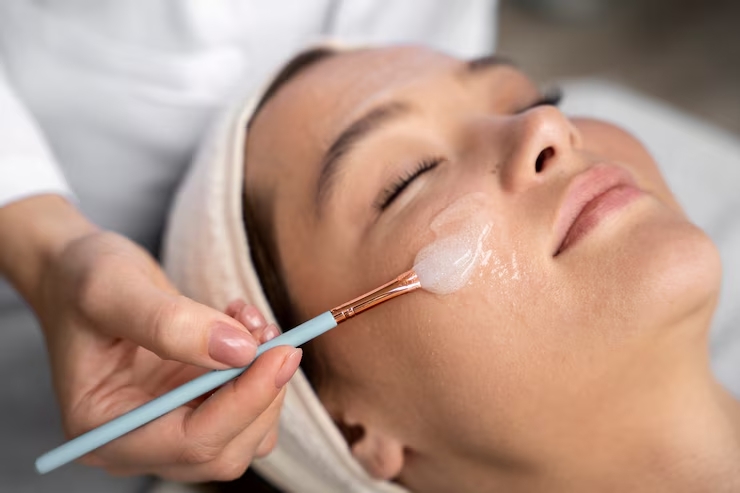
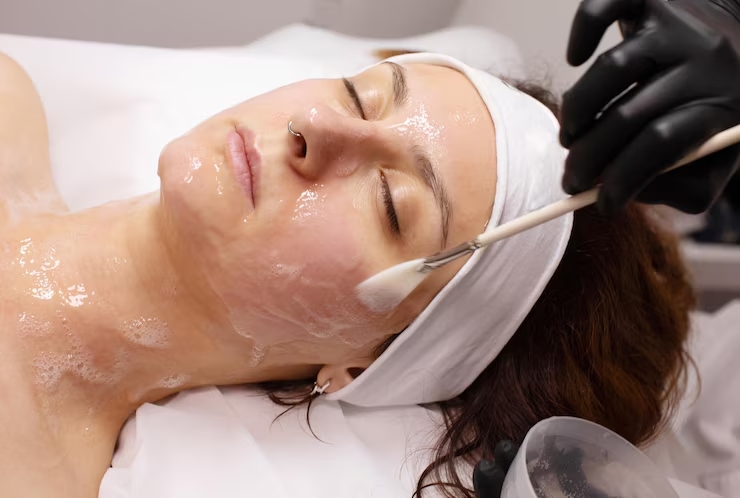
- Application – The chemical peel solution is applied evenly to the skin.
- Mild Tingling – A slight burning or stinging sensation may occur for a few minutes.
- Neutralization – Some peels are neutralized with a special solution to stop the reaction.
- Peeling Phase – Over the next few days, the skin sheds its dull outer layer.
- New Skin Revealed – Brighter, smoother skin appears as peeling subsides.
Chemical Peels Recovery & Side Effects
- Mild redness and sensitivity may last 1-2 days.
- Peeling begins within 48 hours and can last 3-7 days.
- Skin may feel tight and dry during healing.
- Dark spots may temporarily darken before fading.
- Results start showing in a week, full effects in 4 weeks.
- Deeper peels take longer to heal but give stronger results.
Chemical Peels Aftercare Tips
- Apply a hydrating moisturizer to prevent dryness.
- Use a broad-spectrum sunscreen daily.
- Avoid direct sun exposure for at least a week.
- Skip harsh skincare products like scrubs and retinol.
- Keep skin hydrated by drinking plenty of water.
- Do not pick or peel flaking skin to prevent scars.
- Stick to gentle cleansers until the skin fully heals.
Are Chemical Peels Safe for Skin Whitening?
Yes, chemical peels are safe when chosen wisely and applied correctly. But like any skin treatment, they come with temporary side effects. You may experience mild redness, peeling, or sensitivity for a few days—this is completely normal as your skin renews itself. However, if not done properly or if the wrong peel is used, there’s a risk of irritation, dark patches, or uneven results.
That’s why it’s important to consult a dermatologist if you have sensitive skin, deep pigmentation, or past reactions. A professional will guide you toward the right peel for safe and effective skin whitening without damage.
Final Thoughts & Next Step?
When it comes to skin whitening, the right chemical peel can make all the difference. Glycolic acid brightens dull skin, lactic acid hydrates and soothes, while kojic acid and TCA peels target stubborn pigmentation and dark spots. But results depend on skin type, peel strength, and aftercare. That’s why expert guidance is key!
At Hana Aesthetics, our specialists customize chemical peels in Delhi to suit Indian skin, ensuring safe, effective, and long-lasting results. Don’t risk DIY peels—trust professional dermatologists for a glowing, even-toned complexion. get personalized skin whitening advice
FAQs
1. Is chemical peel good for skin whitening?
Yes, chemical peels are effective for skin whitening. They work by exfoliating the top layers of the skin, removing dark spots, pigmentation, and dullness—revealing a brighter, more even-toned complexion underneath.
2. Is chemical peel good for skin whitening?
Yes, chemical peels are effective for skin whitening. They work by exfoliating the top layers of the skin, removing dark spots, pigmentation, and dullness—revealing a brighter, more even-toned complexion underneath.
3. How many sessions are required for visible results?
Visible results typically appear after 3 to 6 sessions, depending on your skin type, concern severity, and the strength of the peel. A dermatologist will recommend a customized treatment plan for optimal results.